



- Home
- Drinking Water Guide
- Product Selection Guide
- 翻成英文 How to Choose an Under-Sink Water Dispenser: 6 Key Pain Points and Long-Term Costs (PX Mart Zhubei Installation Example)
翻成英文 How to Choose an Under-Sink Water Dispenser: 6 Key Pain Points and Long-Term Costs (PX Mart Zhubei Installation Example)
Our advice as a manufacturer:
When choosing an under-sink water dispenser, an "under-sink all-in-one filter and heater" saves space and offers several temperature settings. However, its highly integrated construction can easily lead to
- 1Residual heat that encourages bacteria in the filters
- 2One faulty part cutting off all water
- 3Trapped heat that ages components faster
- 4High repair costs after the warranty ends
- 5No cold water and limited continuous hot water
and more: 6 long-term considerations in all.
If your cabinet space allows, a Taiwan-made "separate under-sink cold, warm and hot water dispenser" offers clear advantages in water hygiene, durability and everyday hot and cold drinking.
When fitting out a new home, it is easy to fall for an "under-sink all-in-one unit" with its space-saving, minimalist design.
But a water dispenser is an appliance you will use for 5 to 10 years. Many homeowners find, a year or two after installation, that the "one shoebox of space" they saved has cost them far more in daily experience and maintenance. Before you order, weigh the 6 real-world limitations that come with the all-in-one's "high integration":
Pain Point 1
One Fault Stops the Whole Unit, Leaving You Without Water During Repairs
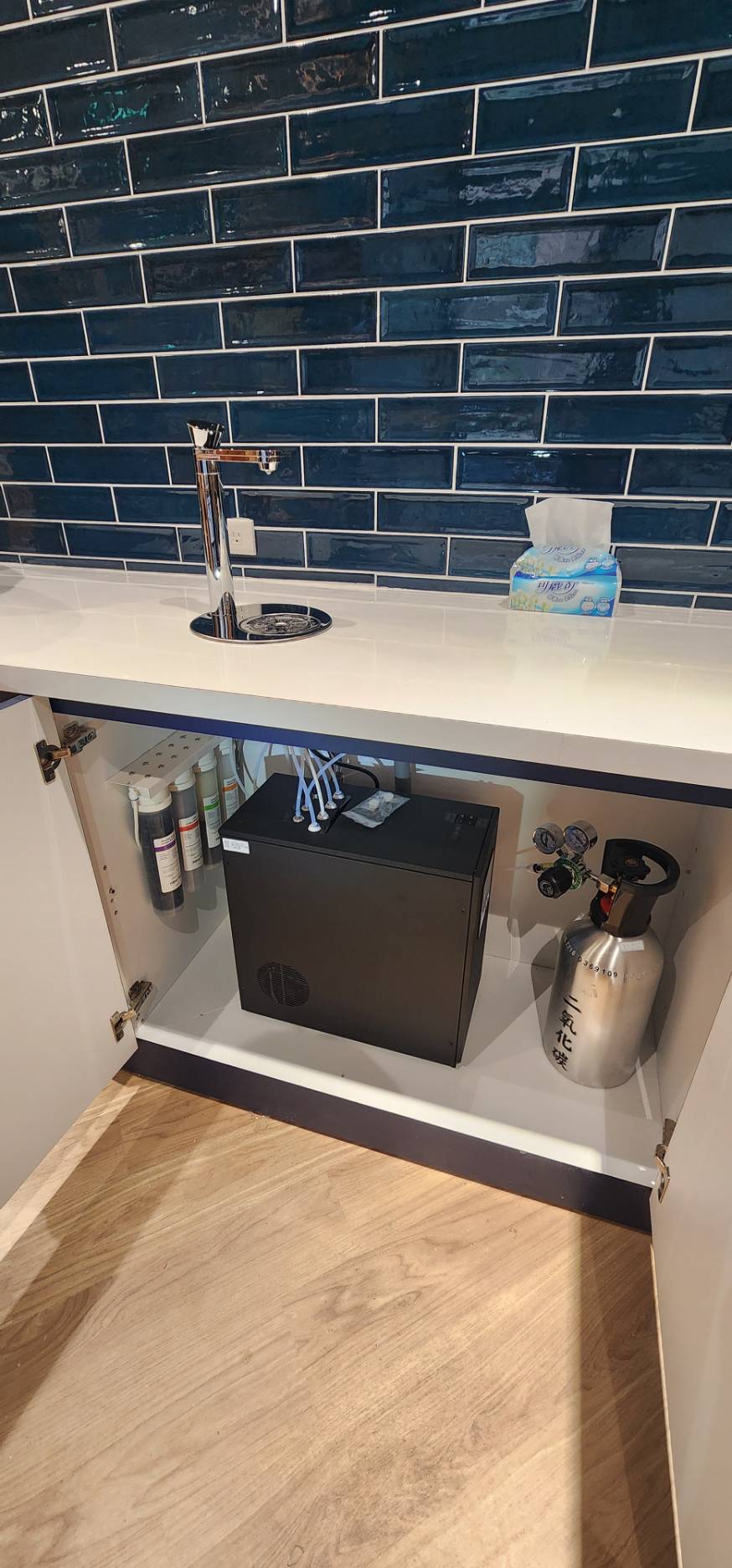
An all-in-one packs complex water lines (filtration) and high-voltage circuits (heating) into a single machine. If any one part, such as the touch faucet or heating module, needs servicing, the entire unit must have its water and power shut off, or even be sent back to the factory. While you wait for the repair, your home has no filtered water at all.
✔ The separate-system advantage:The water filter and heater work independently. Even when the heater needs maintenance, the filter keeps supplying clean room-temperature water, so daily life carries on.
Pain Point 2
The "Heat Box Effect": Room-Temperature Water Can Become a Breeding Ground for Bacteria
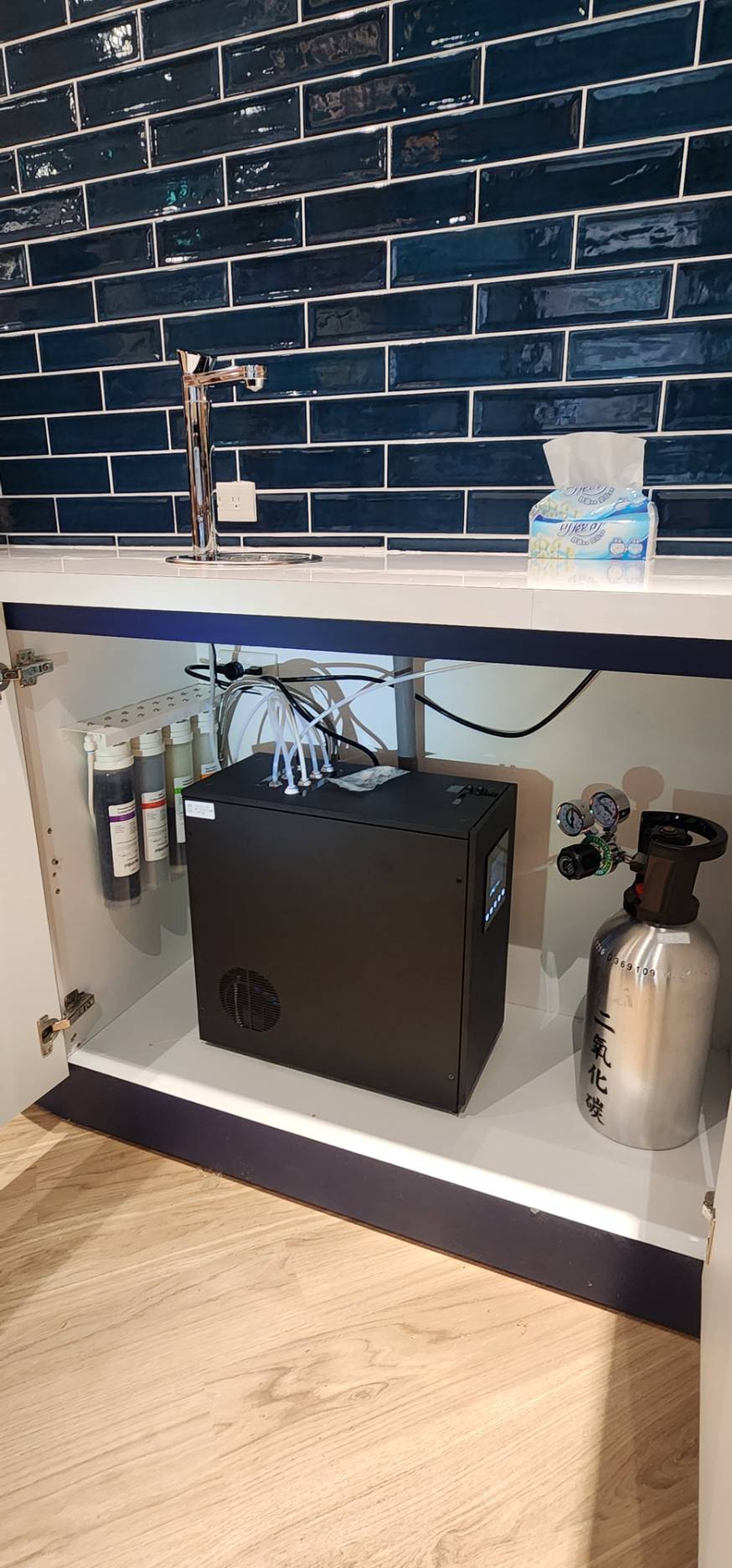
This is a hygiene blind spot many people miss. In an all-in-one, the heating module sits right against the filter cartridges. On standby, residual heat keeps transferring to the filters, warming the purified room-temperature water in the lines to a lukewarm 30°C–40°C. A warm, damp, chlorine-free environment easily breeds bacteria and biofilm. You miss out on refreshingly cool water in summer, and the first glass the next morning raises hygiene concerns.
✔ The separate-system advantage:Hot and cold water sources are physically isolated, blocking heat transfer so every sip of room-temperature water stays clean and safe.
Pain Point 3
Water and Electronics Packed Tightly: Trapped Heat Ages Parts Faster
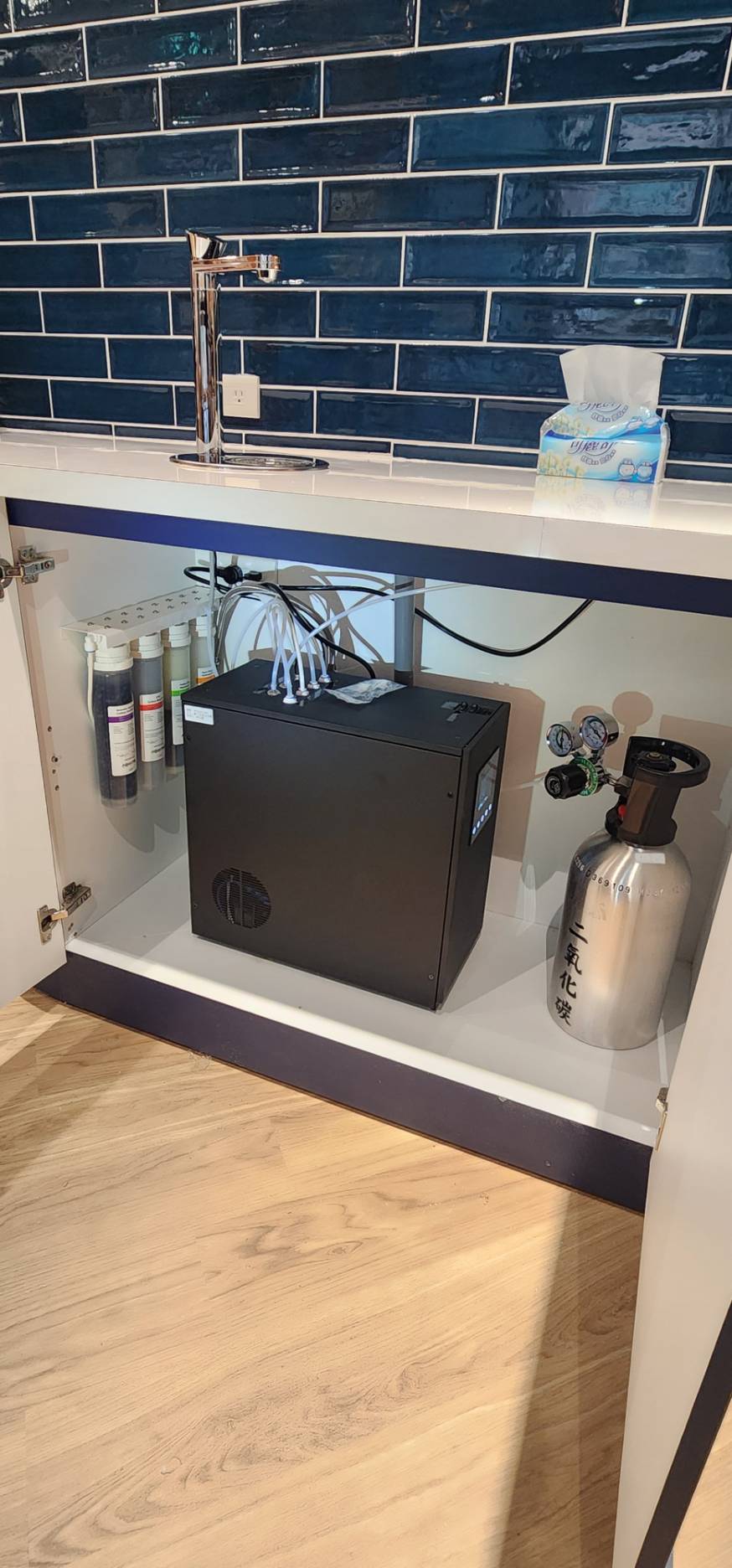
Heating water produces heat and moisture. An all-in-one crams delicate RO cartridges, the control board and a high-power heater into one small sealed casing, then sits in a poorly ventilated cabinet under the sink. Long exposure to hot, stuffy conditions inside the unit can speed up moisture damage to circuit boards and ageing of the tubing.
✔ The separate-system advantage:Standalone units have ample room to dissipate heat, and keeping water and electronics apart greatly improves electrical safety and appliance lifespan.
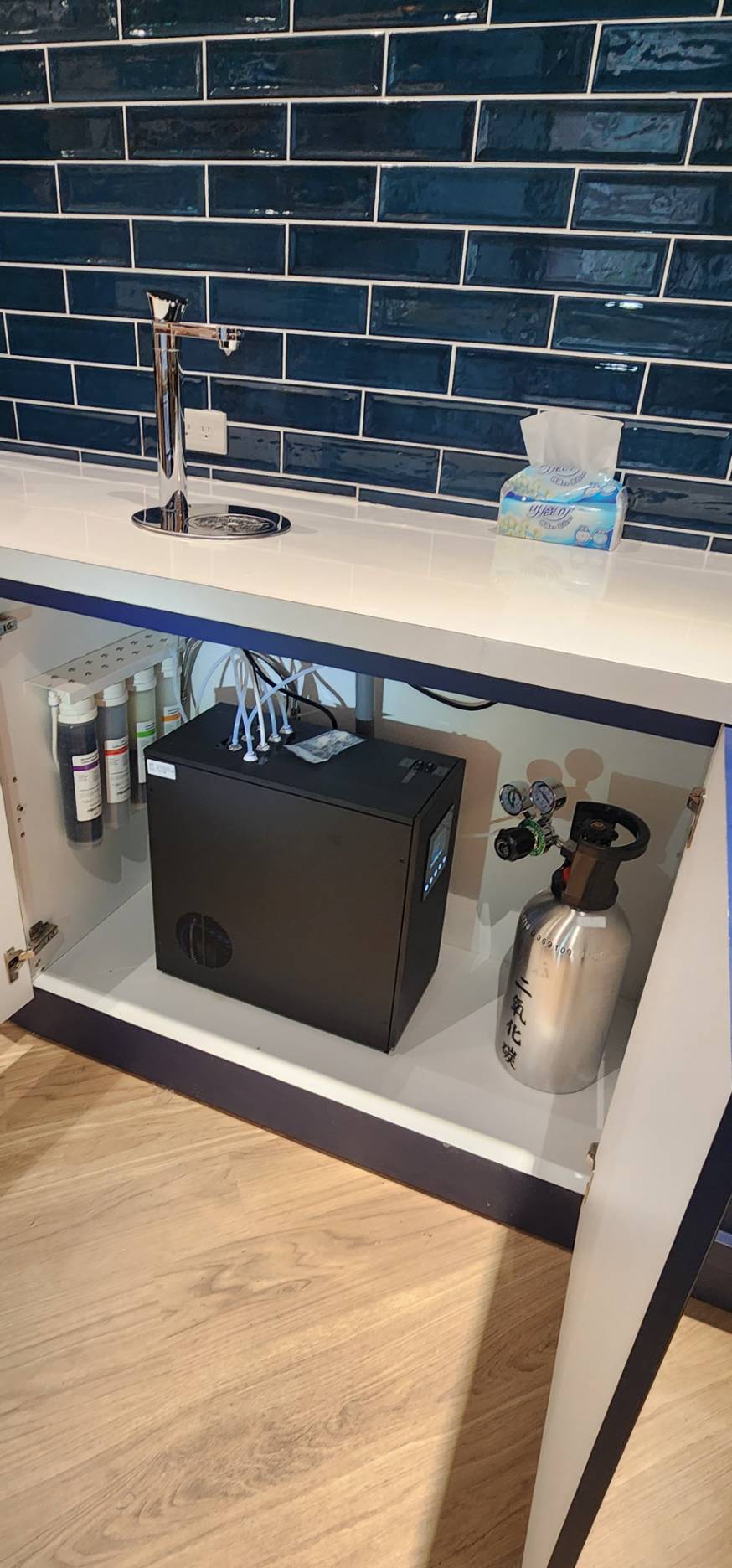
Pain Point 4
Hard to Repair After the Warranty, Often Ending in Full Replacement
The inside of an all-in-one is extremely compact, much like a laptop. Once the warranty has expired, faults are difficult for technicians to trace and usually require replacing an expensive module assembly. Faced with a high repair quote, many owners conclude that it is not worth fixing, and end up replacing the whole machine.
✔ The separate-system advantage:Like a desktop computer, you only replace what breaks. After the warranty you can still upgrade the filter or swap the heater on its own, greatly cutting long-term ownership costs.
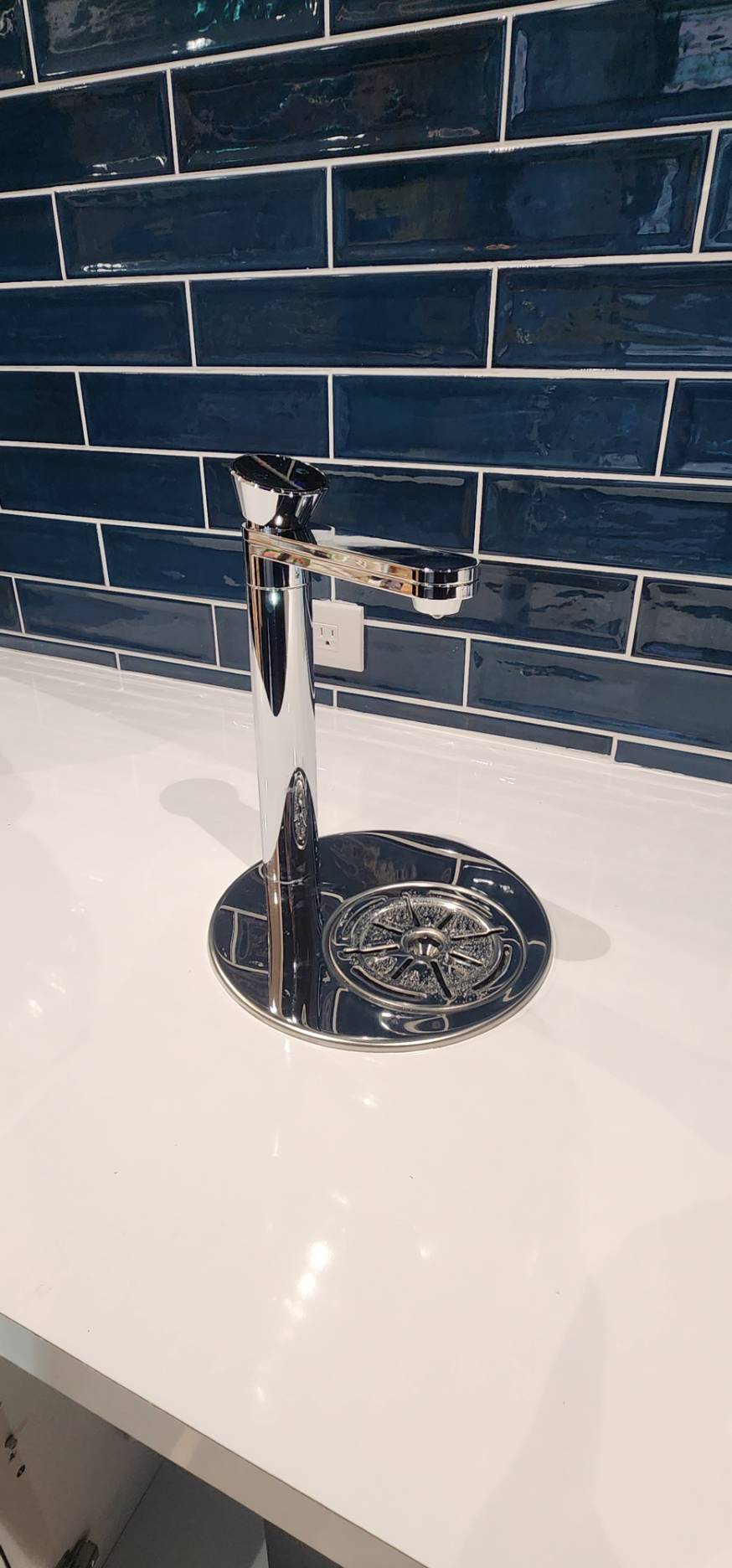
Pain Point 5
Only Warm and Hot Water (No Cold), with Limited Continuous Hot Water
Although an all-in-one's touch faucet offers several temperature settings (for baby formula or tea, for example), its small size limits the experience in two major ways: first, there is no cold water at all (even the room-temperature water runs lukewarm); second, the instant heater or small hot tank means hot water flows slowly. In winter, if you make several cups of instant noodles or hot drinks in a row, the flow or water temperature can easily drop.
✔ The separate-system advantage:You can choose a model with cold, warm and hot water and enjoy chilled water all summer. A dedicated hot tank with ample capacity also delivers a steady supply of hot water above 95°C.
At a Glance: Under-Sink All-in-One vs. Separate Three-Temperature Dispenser
Conclusion: Give Up One Shoebox of Space for 10 Years of Clean Water and Three Temperatures
Unless the space under your sink is extremely tight (a small studio, for instance), a Taiwan-made under-sink dispenser with separate (modular) filtration and heating is the practical choice, balancing healthy drinking water, three-temperature convenience and long-term value.
Give your drinking water equipment one extra shoebox of space, and in return you get "clean water with hot and cold physically isolated against bacteria", "cold water in summer and uninterrupted hot water in winter" and "fair, transparent filter and maintenance costs". Understand these design differences before you buy, and you can pick durable, reliable water equipment for your family.
Under-Sink Water Dispenser FAQ
Q1Does an under-sink all-in-one provide cold water? Can the temperature be adjusted?
An under-sink all-in-one unit usually offers several temperature settings (for baby formula or tea), but its compact casing has no room for a cooling system, so it provides only room-temperature and hot water, with no cold water. Residual heat from the internal heater also tends to make the room-temperature water slightly warm. If your household enjoys cold water or chilled drinks, choose a separate under-sink three-temperature dispenser.
Q2Why can an under-sink all-in-one be prone to bacterial growth?
An all-in-one houses the high-temperature heater and the filter cartridges in the same casing. On standby, residual heat transfers to the nearby filters, turning the purified room-temperature water in the lines lukewarm, at about 30°C or higher, which can breed bacteria and biofilm. A separate filter and heater physically isolates hot and cold sources to keep room-temperature water clean.
Q3For home use, which is better: an all-in-one or a separate under-sink dispenser?
For households of 2 or more, we strongly recommend a separate under-sink dispenser. It provides cold, warm and hot water with a more stable and plentiful continuous hot water supply. Replacing universal filter cartridges costs less, and if the heater ever needs repair you still have filtered room-temperature water, so it stays usable far more reliably than an all-in-one.